From the Life Saving Education instructor team.
Welcome to the Life Saving Education resource library. This is the fastest place to find course-preparation checklists, workplace-safety explanations, emergency-preparedness guidance, and practical family-safety information. Each guide is designed to answer one question clearly: what should you know or do next?
Popular starting points: prepare for a BLS Provider class, learn what to expect at OSHA 10, or review the worker heat-safety guide.
Choose the path that fits your goal
Start with the situation that brought you here. The links below take you directly to the most useful current guide instead of making you search through the entire site.
I am preparing for a medical course
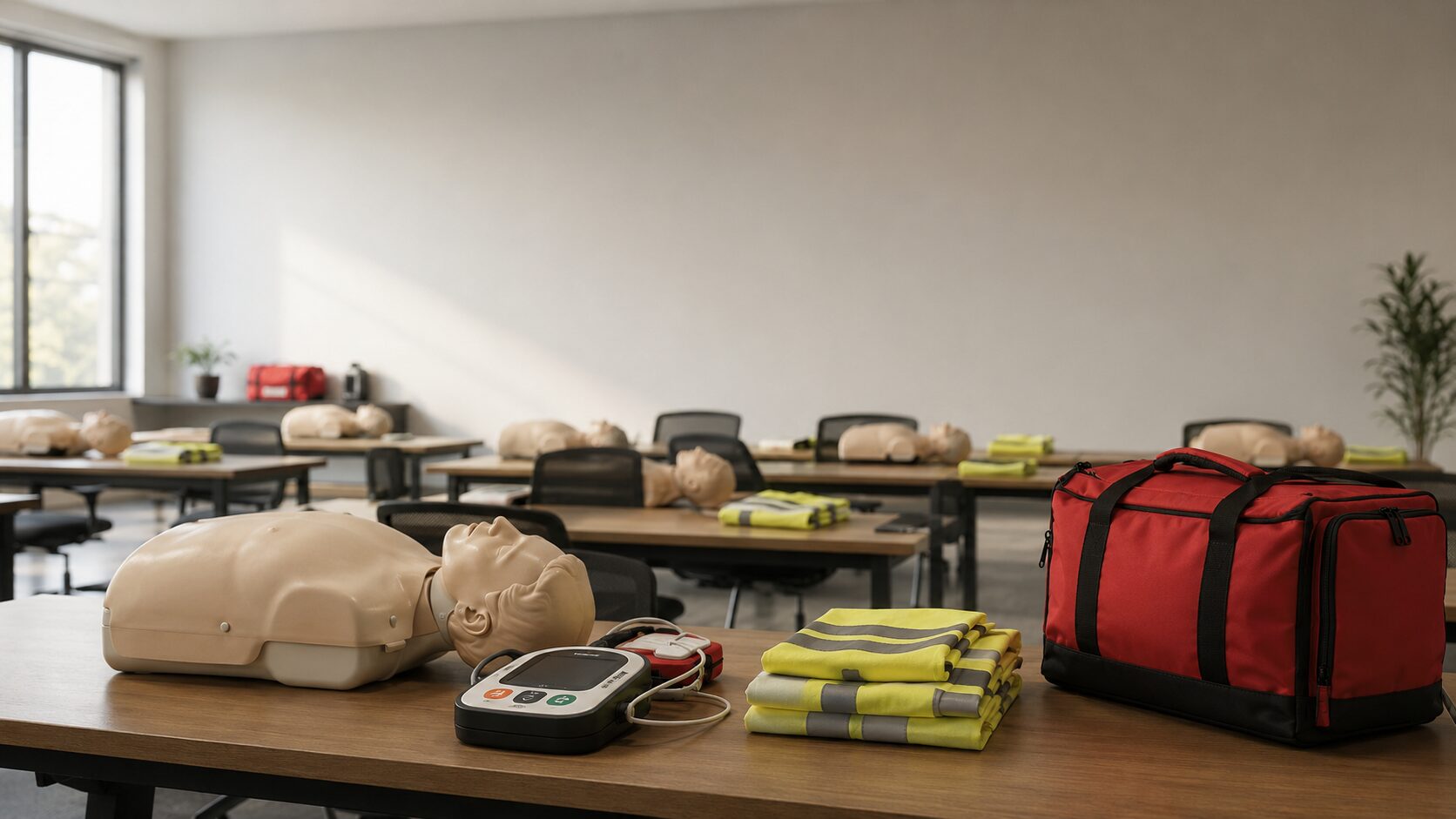
- How to Prepare for Your BLS Provider Class explains what to wear, what to bring, how skills testing works, and when the AHA eCard is issued.
- ACLS Precourse Checklist covers the required precourse work, BLS review, rhythms, medications, and megacode preparation.
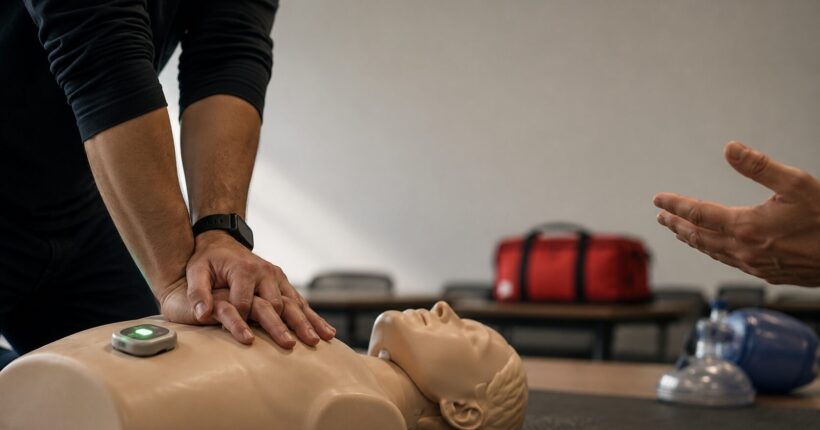
- CPR and AED: From Bystander to Lifesaver explains Hands-Only CPR, AED use, and why early bystander action matters.
I am preparing for OSHA or hazardous-materials training
- What to Expect at Your First OSHA 10 Class explains attendance rules, course topics, legal-name requirements, and Department of Labor card processing.
- HAZWOPER 40 vs. 24 vs. 8 compares the initial and refresher pathways and explains why the employer must determine the correct level.
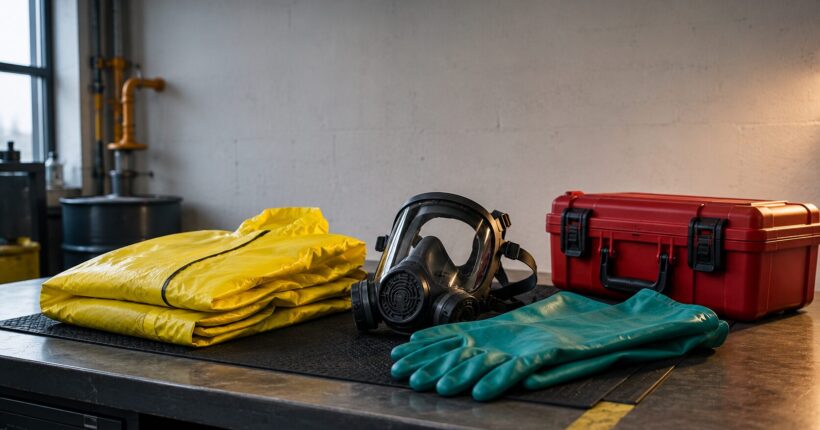
- HAZWOPER and Hazmat Response explains emergency-response roles, scene control, PPE, decontamination, and employer responsibilities.
- Worker Heat Safety provides a practical framework for acclimatization, water, rest, shade, symptom recognition, and emergency response.
I am protecting my family or community
- Drowning Prevention and Water Safety for Families covers supervision, barriers, life jackets, swim skills, CPR readiness, and emergency planning.
- Preventing Child Hot Car Deaths explains Park, Look, Lock and the backup habits that protect children when routines change.
- Chemical Spill Near You? explains alerts, shelter-in-place decisions, evacuation, go-bags, and trusted emergency information.
Use this three-step course-selection checklist
- Identify who requires the training. Ask whether the requirement comes from an employer, licensing body, school, union, project owner, contract, or personal goal.
- Confirm the exact course and completion document. Similar names do not always mean equivalent training. Verify the program, format, issuing organization, required card, and date.
- Review prerequisites and attendance rules. Check for online precourse work, current cards, identification, full-contact-hour requirements, physical skills, or employer documentation before registering.
The organization imposing a requirement ultimately decides what it will accept. Our FAQs & Policies page explains registration, accessibility, attendance, cancellation, refunds, completion documents, and program notices in one place.
Resources for employers and group-training coordinators
Employers should begin by identifying job duties, exposure potential, required credentials, group size, preferred dates, and the training location. Review the relevant workplace guide above, then visit Group Training for onsite options or request a written proposal. Onsite instruction does not replace the employer’s responsibility for written programs, site-specific training, authorization, medical requirements, fit testing, equipment, or competency verification unless those services are expressly included in writing.
How Life Saving Education develops these guides
Our articles are written in the voice of an instructor team with emergency-services and teaching experience. We rely on authoritative sources such as the American Heart Association, OSHA, CDC, NHTSA, and other recognized public-safety organizations. Regulatory articles identify employer responsibilities and avoid presenting a training certificate as a complete compliance solution.
These resources provide education and awareness. They are not individualized medical advice, legal advice, a workplace audit, or a replacement for hands-on instruction. In an emergency, call 911 and follow current emergency-dispatch instructions.
Frequently Asked Questions
Where should a first-time student begin?
Open the preparation guide for the exact class you plan to take, then review the FAQs & Policies page for registration, attendance, accessibility, cancellation, and completion-document information.
Can an employer use these articles as required employee training?
No. The articles are educational resources. Required training must meet the applicable program, employer, contact-hour, hands-on, site-specific, and documentation requirements.
How do I request onsite training for a group?
Use the Group Training or Contact page and provide the course requested, estimated attendance, location, preferred dates, and any facility or site requirements.
When you are ready to train
Choose a course, review its requirements, and practice the skills with an instructor. Browse all courses, check the class schedule, or contact Life Saving Education for help selecting the right option.
Real-World Training. Real-Life Confidence.