Prepared by the LSE Editorial Team. Reviewed by Joseph Andrade, Jr., RN, NRP.
Joseph works across emergency response, healthcare, and workplace safety and develops practical training for civilians, employers, and first responders.
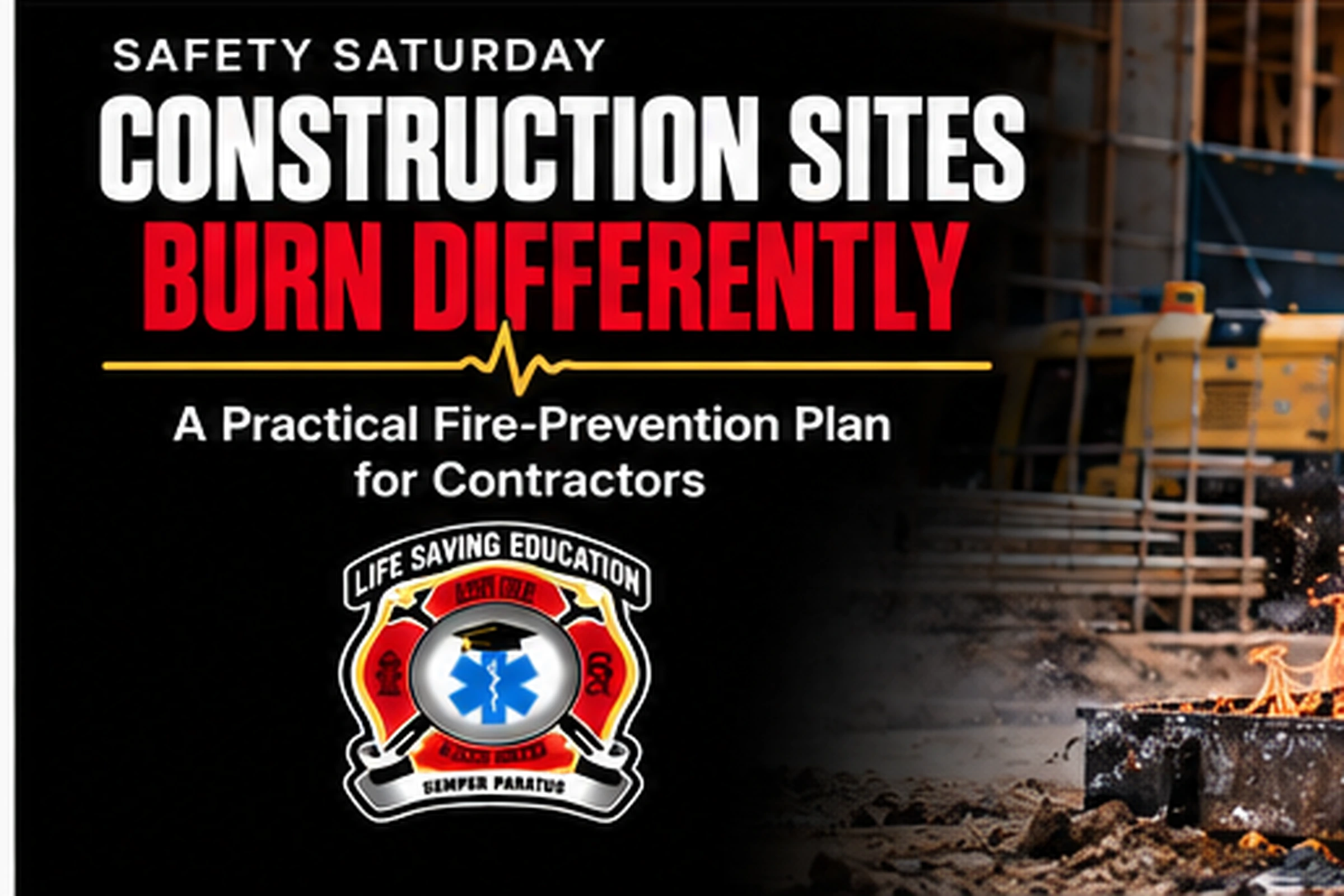
Construction sites change constantly. Walls appear. Openings disappear. Temporary wiring moves. Combustible materials accumulate. Hot work shifts. Permanent suppression systems may not yet be available. Access routes change.
That is why construction fire prevention cannot wait until the building looks finished.
In September 2026, NIOSH and CPWR released a new Fire Safety Toolbox Talk for construction. It emphasizes identifying fire hazards before work begins, selecting appropriate extinguishers, knowing where they are and how to use them, ventilation where flammable materials are used, and basic prevention.
🧯 OSHA Requires a Fire Protection Program
Under 29 CFR 1926.150, the employer is responsible for developing a fire protection program followed throughout all phases of construction and demolition.
OSHA also requires access to firefighting equipment to be maintained, equipment to be conspicuously located, and equipment to be periodically inspected and maintained.
Start With Ignition and Fuel
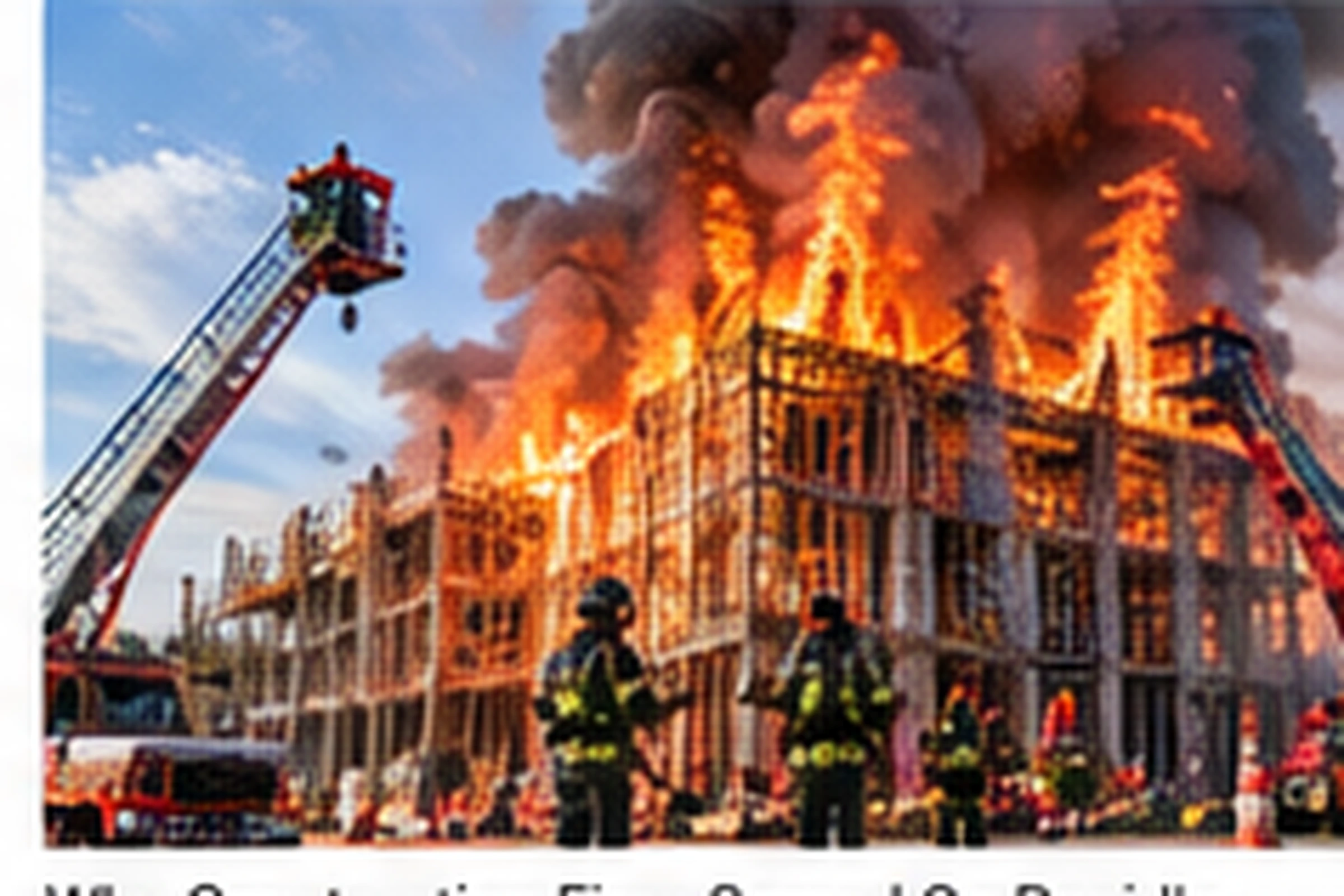
Ask what can ignite, what can burn, and what allows the fire to spread.
Ignition sources can include hot work, temporary electrical systems, portable heaters, smoking, engines, grinding, cutting, battery charging, faulty cords, temporary lighting, and generators.
Fuel can include lumber, packaging, insulation, roofing materials, solvents, adhesives, paints, flammable liquids, gases, debris, and temporary enclosures.
Housekeeping Is Fire Prevention
Packaging, scrap wood, cardboard, plastic, dust, rags, and other combustible waste can allow a small fire to grow or spread. A practical program establishes waste-removal expectations, storage locations, end-of-shift cleanup, control of contaminated rags, separation of combustibles from ignition sources, and inspection expectations.
Hot Work Needs More Than an Extinguisher Nearby

Welding, cutting, brazing, grinding, torch work, and similar operations can generate sparks, slag, heat, or flame. Sparks can travel. Heat can transfer. Combustibles may be on the opposite side of a wall or floor. A fire can smolder after the task appears complete.
Extinguishers Must Match the Hazard
NIOSH’s toolbox talk emphasizes the right extinguisher for the hazard. OSHA’s construction standard contains specific requirements. For example, at least one extinguisher rated not less than 2A is generally required for each 3,000 square feet of protected building area or major fraction, with travel distance to the nearest extinguisher not exceeding 100 feet. Additional provisions apply to multistory buildings and certain flammable or combustible liquid or gas hazards.
A blocked, missing, discharged, damaged, or unknown extinguisher is not an effective control.
Not Every Worker Should Fight a Fire
No employee should feel pressured to remain in a deteriorating environment to protect property. The employer’s emergency plan, training, applicable standards, fire conditions, available equipment, escape route, and worker capability all matter.
Temporary Electrical Systems
Construction power is temporary by definition, but temporary cannot mean careless. Cords, receptacles, lighting, panels, generators, damaged insulation, improvised connections, water exposure, and repeated relocation can create ignition and shock hazards.
Batteries and Charging
Modern sites increasingly rely on rechargeable tools, equipment, e-bikes, portable power systems, and lithium-ion batteries. Avoid turning a random corner surrounded by cardboard, lumber, solvents, and extension cords into a charging station.
Consider manufacturer instructions, compatible chargers, physical damage, heat exposure, combustible loading, charging policies, isolation of damaged equipment, emergency procedures, storage, transportation, and fire department access.
Flammable Materials and Ventilation
NIOSH specifically reminds workers to consider ventilation where paints, solvents, or other flammable materials are used. Ventilation can support health and fire safety, but it must be appropriate for the hazard.
Fire Department Access
Can firefighters reach the building? Are routes blocked by deliveries or equipment? Are hydrants accessible? Are building identifiers visible? Can command determine where hazardous materials, compressed gases, temporary fuel, batteries, or special hazards are located?
Emergency Planning Must Evolve
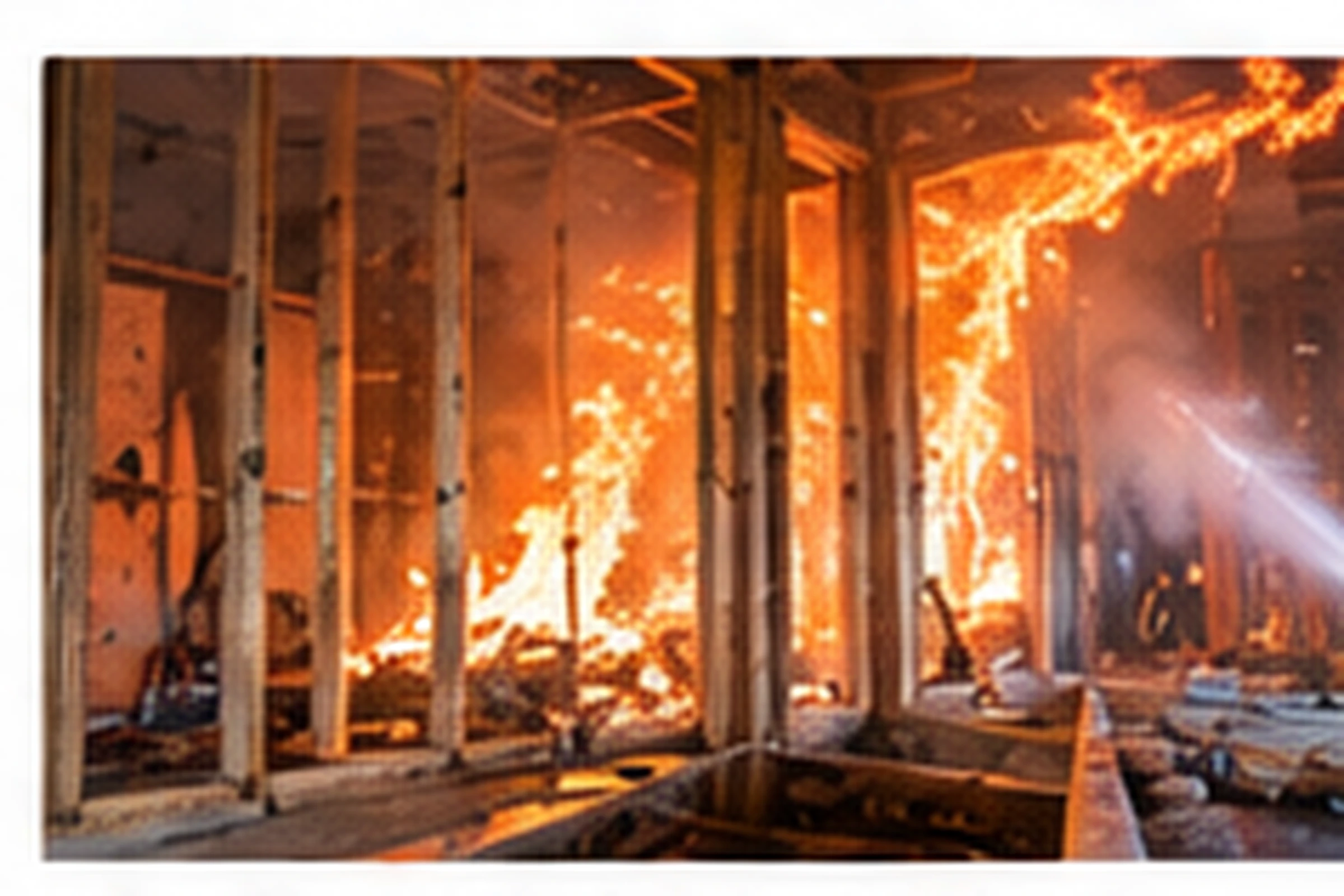
Stairs may open or close. Temporary exits may move. Interior partitions alter travel paths. Crews begin work on new floors. Fire protection systems come online in phases. Emergency planning has to evolve with the building.
Toolbox Talks Reinforce, They Do Not Replace
A short discussion can reinforce today’s hazard, but it cannot substitute for required training, equipment-specific instruction, or a complete fire-protection program.
A Practical Fire-Safety Walk
Review ignition sources, fuel load, separation, extinguisher condition and access, exits, fire-department access, storage, temporary systems, changing work areas, and after-hours risks.
The value is not the checklist itself. The value is noticing what changed.
✅ Key Takeaways
- Fire prevention must be maintained throughout every phase of construction and demolition.
- Control ignition sources and combustible loading before they combine.
- Charging areas, hot work, temporary electrical systems, extinguishers, and egress need active management.
- Emergency planning and fire department access must evolve as the site changes.
Bottom Line
Construction sites burn differently because construction sites change. The fire-protection program has to change with them.
Build fire prevention into the project from the beginning. Reassess it as the site changes. Make sure workers know whether their job is to extinguish, report, or get out.
Training You Can Count On. When Seconds Count.
Build Fire Prevention Into the Project
Life Saving Education provides practical construction, industrial, and emergency-response training built around the hazards workers actually face.